Abstract
Modernizing customs administrations is essential for improving trade facilitation and economic growth in developing economies. Guided by Business Process Reengineering Theory, the Technology Acceptance Model, Human Capital Theory, Stakeholder Theory, and Institutional Theory, this quantitative explanatory study examined the relationships among organizational efficiency, digital transformation, human capital development, stakeholder collaboration, trade facilitation, and trade-related economic performance within the Ethiopian Customs Commission (ECC).
Using a cross-sectional survey design, data was collected from 775 respondents and analyzed using Partial Least Squares Structural Equation Modeling (PLS-SEM). The findings revealed that organizational efficiency, digital transformation, human capital development, and stakeholder collaboration each have a positive and statistically significant influence on trade facilitation. Additionally, trade facilitation demonstrated a significant positive effect on trade-related economic performance.
Mediation analysis confirmed that trade facilitation serves as a critical mechanism through which customs modernization initiatives contribute to improved economic outcomes. The results indicate that successful customs modernization requires not only technological advancement but also organizational reform, workforce development, and effective stakeholder collaboration. The study provides empirical evidence supporting a multidimensional approach to customs modernization and offers practical recommendations for strengthening digital infrastructure, enhancing employee capabilities, streamlining customs procedures, and improving interagency coordination to promote trade competitiveness and sustainable economic growth in Ethiopia.
Key Findings
Based on data collected from 775 respondents and analyzed using PLS-SEM, the following hypotheses were supported:
Organizational Efficiency
β = 0.34, t = 6.12
Positive & significant influence on trade facilitation
✓ Hypothesis SupportedDigital Transformation
β = 0.29, t = 5.41
Positive & significant influence on trade facilitation
✓ Hypothesis SupportedHuman Capital Development
β = 0.25, t = 4.87
Positive & significant influence on trade facilitation
✓ Hypothesis SupportedStakeholder Collaboration
β = 0.31, t = 5.76
Positive & significant influence on trade facilitation
✓ Hypothesis SupportedTrade Facilitation → Economic Performance
β = 0.52, t = 8.43 — Significant positive effect on trade-related economic performance
✓ Hypothesis SupportedTheoretical Framework
This study is guided by five established theories that provide a comprehensive lens for understanding customs modernization:
- This study is guided by five established theories that provide a comprehensive lens for understanding customs modernization:
- €¢ Business Process Reengineering Theory – Focuses on radical redesign of customs processes for efficiency
- €¢ Technology Acceptance Model – Explains adoption of digital customs systems by users
- €¢ Human Capital Theory – Emphasizes workforce skills and competencies in customs
- €¢ Stakeholder Theory – Highlights importance of collaboration among customs stakeholders
- €¢ Institutional Theory – Examines how norms and regulations shape customs modernization
Methodology
- Research Design: Quantitative explanatory study
- Sample Size: 775 respondents
- Data Collection: Cross-sectional survey design
- Analysis Method: Partial Least Squares Structural Equation Modeling (PLS-SEM)
- Study Context: Ethiopian Customs Commission (ECC)
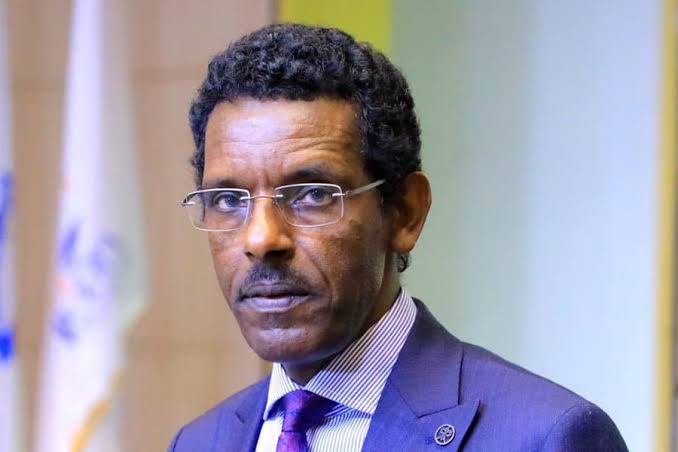
Dr. Debele Kabeta Hursa is the Commissioner General of the Ethiopian Customs Commission (ECC), appointed in 2018 when the ECC emerged as an independent entity. He has focused on institutional strengthening, compliance, and modernization to align Ethiopia with international trade standards.
Dr. Debele Kabeta Hursa — Commissioner General, Ethiopian Customs Commission
Driving trade integrity and institutional excellence with continental recognition as African Public Sector Leader of the Year 2025 and Best Customs Commissioner Award 2023.
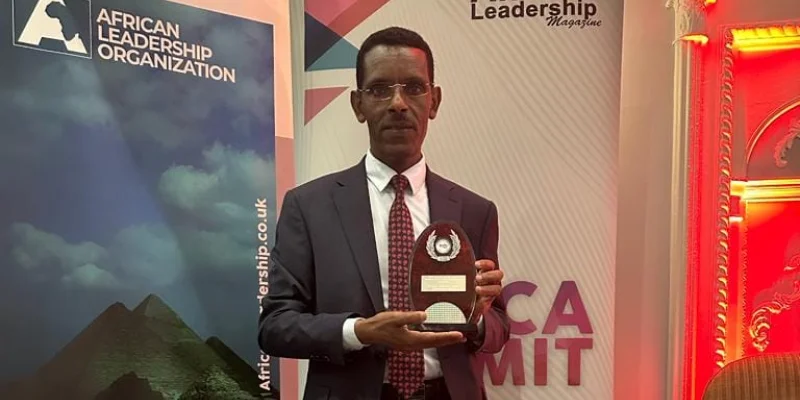
In global commerce, customs agencies sit at the crossroads of revenue growth, trade facilitation, and economic security. Ethiopia's Customs Commission has undergone notable transformation under Debele Kabeta, the Commissioner General who is redefining the role of customs in a rapidly shifting global trade environment.
Dr. Debele Kabeta Hursa — Commissioner General, Ethiopian Customs Commission
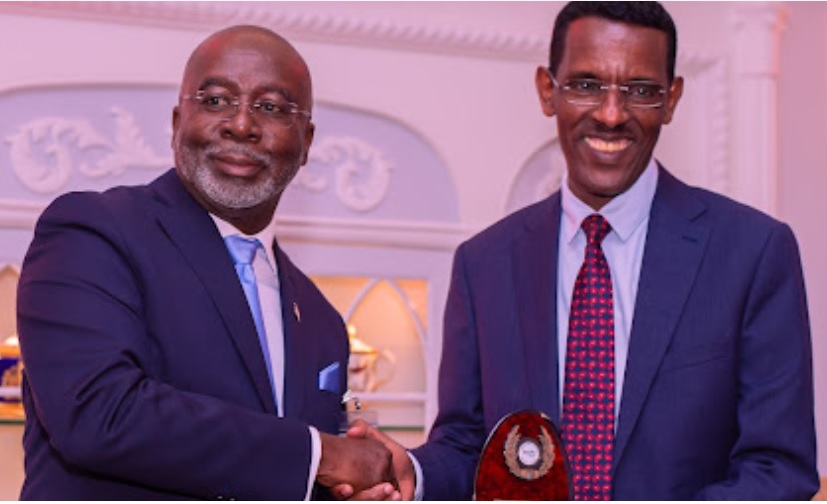
Hon. Debele Kabeta Hursa, commissioner of the Ethiopian Customs Commission, has received the African Leadership Impact Commendation Award at the 8th African Leadership Magazine, Africa Summit 2023. The event which took place at the Dorchester Hotel, London, United Kingdom was a 2-day event organized by the African Leadership Organization, publishers of the African Leadership Magazine UK which attracted high-level business leaders and policymakers, including Lord Dolar Popat, a Member of the UK House of Lords, the British Prime Ministers Trade Envoy to Rwanda and Uganda; Baroness Sandy Verma, Member UK House of Lords, Hon. Rengnaden Padayachy.
Dr. Debele Kabeta Hursa — Commissioner General, Ethiopian Customs Commission
References
This research draws on the following scholarly sources (60+ references): 10 references
- Abouelela, M. (2025). Toward a customs reform and modernization. In digital transformation in customs and taxation (pp. 20-36). Auerbach Publications.
- African Development Bank Group (AfDB). (2025). Annual development effectiveness review 2025: Supporting Africa's resilience and driving transformation.
- Ajibade, P. (2018). Technology acceptance model limitations and criticisms: Exploring the practical applications and use in technology‑related studies.
- Aksom, H., & Veronika V. (2023). Revisiting the scope and suggesting novel domains of institutional theory in the public administration research.
- Azcarraga, M. A. A. P., et al. (2022). Customs matters: strengthening customs administration in a changing world. International Monetary Fund.
- Barhoom, F. N., Wah, K. K., & Alnoor, A. (2025). Intellectual capital and customs service quality. International Journal of Academic Reserach.
- Cantens, T., et al. (2024). Haiti: Strengthening customs administration in an insecure environment. World Bank.
- Clark, J., & Bernard, D. (2022). Customs in a world of enhanced trade facilitation.
- Dang, H.-N. (n.d.). The impact of digital transformation on OTIF: A new era for the supply chain. Winddle.
- Davis, F. D. (1989). Perceived usefulness, perceived ease of use, and user acceptance of information technology. MIS Quarterly, 13(3), 319-340.